.
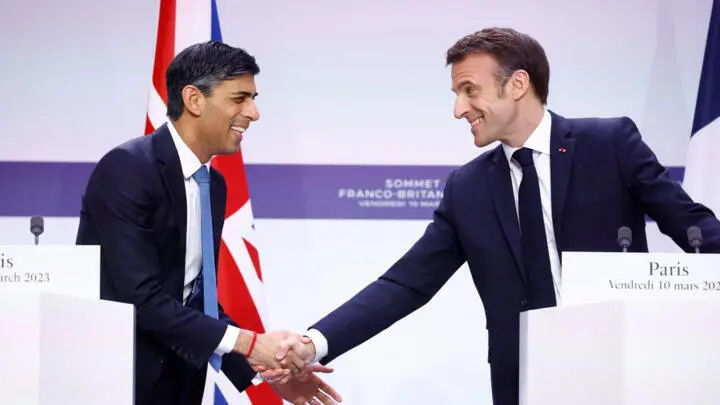
The United Kingdom and France have agreed on a new £662 million small boats deal aimed at reducing illegal Channel crossings and strengthening border security cooperation. The agreement comes amid growing political pressure in the UK to curb migrant arrivals via the English Channel, one of the busiest and most dangerous shipping routes in the world.
The UK‑France small boats deal is designed to disrupt people smuggling gangs, enhance surveillance operations, and prevent migrants from launching dangerous journeys across the Channel in small vessels. Officials from both countries described the agreement as a major step forward in addressing the ongoing migration crisis.
Rising Pressure Over Channel Migrant Crossings
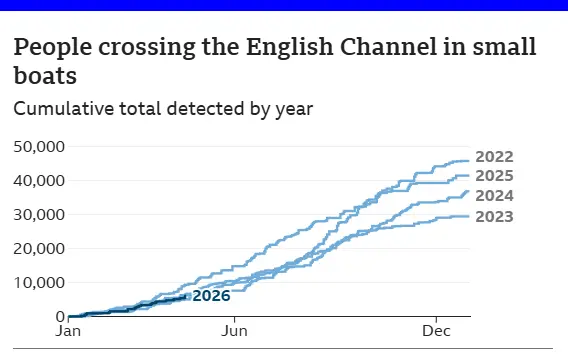
The English Channel migrant crisis has become a major political issue in the UK. Over recent years, tens of thousands of migrants have attempted to cross from France to southern England in inflatable boats. Many of these journeys are risky, especially during poor weather conditions, leading to tragic drownings and humanitarian concerns.
The UK government has faced increasing criticism from opposition parties and the public over border control policies. The new £662m migration agreement is seen as part of broader efforts to demonstrate stronger action on illegal immigration.
French authorities have also been under pressure to prevent smuggling operations along their coastline. However, they have previously argued that migration is a shared European issue requiring collective responsibility.
What Is Included in the £662m Small Boats Deal?
Under the new agreement, the UK will provide France with £662 million in funding over several years to boost enforcement efforts along the northern French coastline. The funding will support increased patrols, new surveillance technology, drones, and additional law enforcement officers to stop small boats before they depart.
French authorities are expected to expand coastal monitoring and strengthen intelligence-sharing with British officials. The deal also includes joint operational teams to target organized criminal networks responsible for facilitating illegal Channel crossings.
According to government sources, the agreement aims to break the business model of people smuggling gangs who charge migrants thousands of pounds for dangerous sea crossings. Officials argue that enhanced cooperation will reduce departures and save lives.
Strengthening UK Border Security
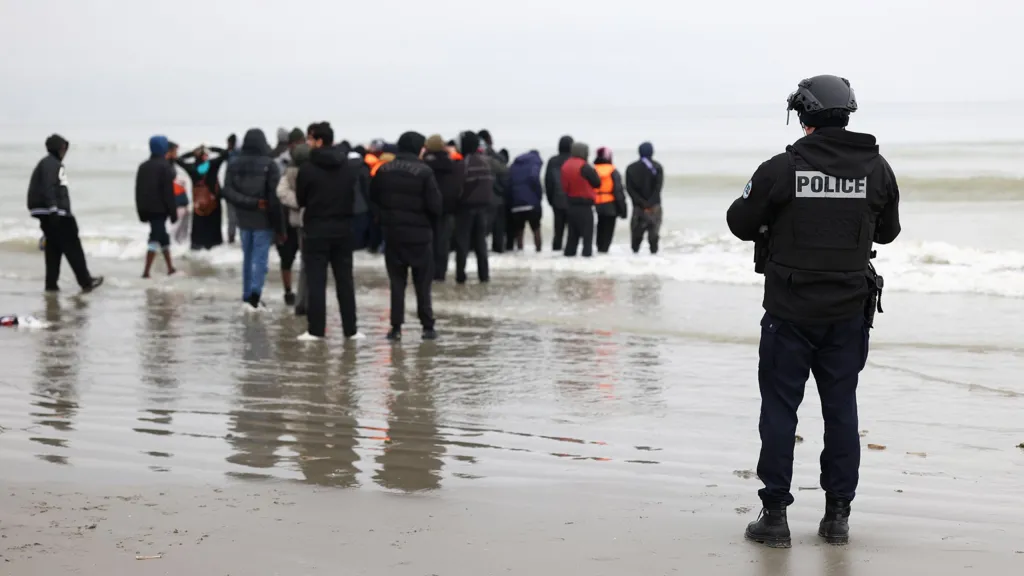
British officials say the deal will enhance UK border security by preventing crossings before migrants reach British waters. By investing in preventive measures on the French side, the UK hopes to significantly reduce the number of arrivals.
The agreement also aligns with wider UK immigration reforms aimed at tightening asylum rules and accelerating deportation processes. Government representatives claim that tackling illegal Channel crossings is essential to maintaining public confidence in the immigration system.
Security experts note that while enforcement measures may reduce crossings in the short term, long‑term solutions will require international cooperation and diplomatic engagement with countries of origin.
France’s Role and Political Response
For France, the agreement represents both financial support and a commitment to joint responsibility. French officials have emphasized that additional funding will help improve coastal security and dismantle smuggling networks operating in northern France.
However, critics in France argue that increased patrols alone may not solve the deeper humanitarian issues driving migration. Human rights organizations have warned that migrants may attempt even more dangerous routes if Channel crossings become harder.
Despite criticism, leaders from both nations described the agreement as a “balanced partnership” that respects international law while addressing border management challenges.
Impact on Migration and Smuggling Networks
One of the key goals of the UK France small boats deal is to weaken criminal gangs profiting from irregular migration. People smuggling networks often operate across multiple countries, using social media and encrypted messaging apps to coordinate crossings.
By enhancing intelligence sharing and law enforcement cooperation, officials believe they can disrupt these operations more effectively. Increased surveillance technology, including drones and radar systems, is expected to play a significant role in detecting departure attempts.
Migration analysts caution that enforcement alone may not eliminate demand. Many migrants flee conflict, poverty, or persecution, making the situation complex and multifaceted.
International and Political Reactions
The £662m small boats agreement has drawn mixed reactions internationally. Supporters say stronger border cooperation between the UK and France is necessary to maintain security and prevent loss of life at sea.
Opposition parties in the UK have questioned whether the significant financial investment will deliver measurable results. Some lawmakers argue that previous funding arrangements did not substantially reduce crossings.
Meanwhile, humanitarian groups continue to call for expanded safe and legal migration routes to reduce reliance on smugglers.
Across Europe, migration remains a sensitive and politically charged issue. The UK‑France deal may influence future cooperation between European governments facing similar challenges.
Conclusion
The new £662m UK and France small boats deal marks one of the largest bilateral agreements aimed at curbing illegal Channel crossings. By increasing funding, boosting surveillance, and targeting smuggling gangs, both governments hope to reduce dangerous sea journeys and strengthen border security.
While the agreement signals closer cooperation, its long‑term effectiveness will depend on implementation, international coordination, and broader migration policy reforms. As the Channel crisis continues to shape political debate, the world will be watching closely to see whether this latest deal delivers real results.