Life in Tehran is increasingly defined by economic hardship and growing anxiety over the possibility of renewed conflict. As inflation rises and international tensions escalate, many residents of Iran’s capital say uncertainty has become part of their daily routine. The Tehran economic crisis, fueled by sanctions, currency depreciation, and regional instability, is reshaping how families plan their futures.
With money growing scarce and fears of war lingering in the background, ordinary citizens are adjusting to a reality marked by financial strain and geopolitical tension
Inflation and Rising Cost of Living
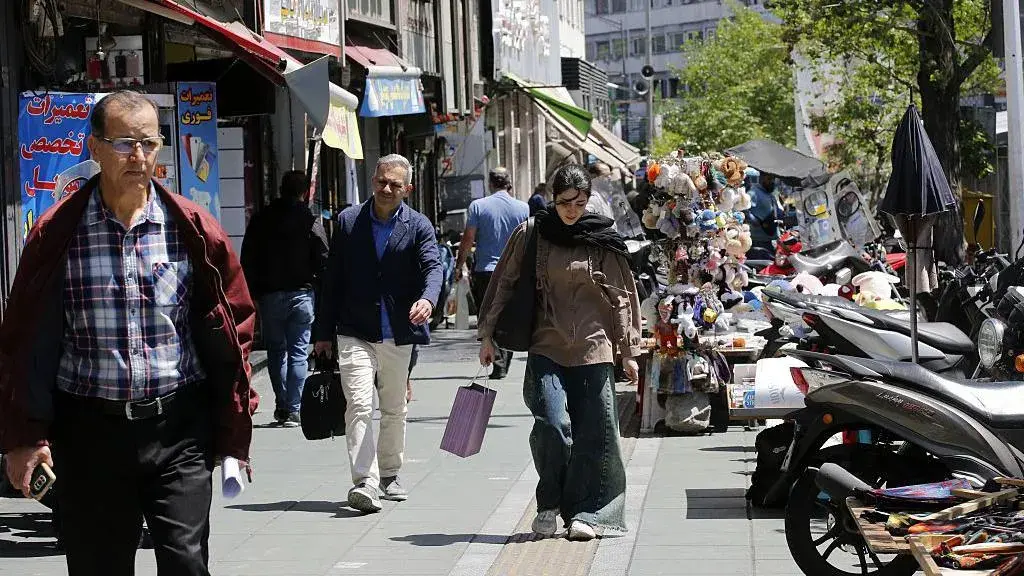
One of the most pressing challenges facing Tehran residents is soaring inflation. Over the past few years, the Iranian rial has lost significant value, pushing up the cost of imported goods and basic necessities. Food prices, rent, healthcare, and transportation expenses have climbed sharply, putting immense pressure on middle‑ and low‑income families.
Small business owners report declining customer spending as purchasing power weakens. Many households are cutting non‑essential expenses and focusing only on basic needs. The rising cost of living has made long‑term financial planning difficult, with many citizens relying on savings or informal support networks to get by.
Economic analysts link much of the crisis to ongoing sanctions and limited access to international markets. Reduced oil exports and restricted banking channels have constrained government revenue, affecting public services and job opportunities.
Impact of Sanctions on Tehran’s Economy
International sanctions have played a central role in shaping Iran’s economic landscape. Restrictions on oil sales, foreign investment, and global financial transactions have slowed economic growth and increased unemployment in several sectors.
In Tehran, the effects are visible in shuttered storefronts, stalled construction projects, and reduced business activity. Young professionals face limited job prospects, while skilled workers often seek opportunities abroad.
The sanctions impact extends beyond macroeconomic figures. Everyday transactions have become more complicated due to banking limitations and fluctuating exchange rates. Many businesses rely on informal currency markets, adding uncertainty to pricing and trade.
Despite efforts by authorities to promote domestic production and regional trade partnerships, economic recovery remains fragile. The Tehran economic crisis continues to weigh heavily on public sentiment.
War Fears and Regional Tensions
Alongside financial pressures, fears of renewed conflict contribute to a climate of unease. Rising Middle East tensions, military activity in neighboring regions, and strained diplomatic relations have heightened concerns about stability.
While there is no immediate confirmation of impending war, discussions about security risks frequently dominate social conversations and media analysis. Residents describe a sense of unpredictability, as geopolitical developments abroad can quickly influence life at home.
Past experiences of regional conflict have left lasting memories for many Iranians. The psychological impact of uncertainty—combined with economic hardship—has amplified stress levels among families.
Security experts note that even without direct confrontation, heightened rhetoric and military posturing can disrupt markets and deepen economic instability.
Daily Life Under Uncertainty
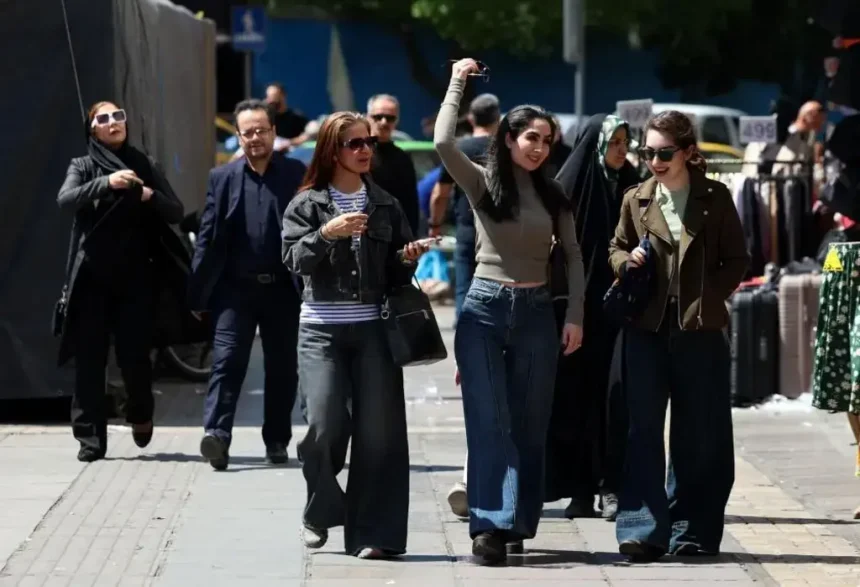
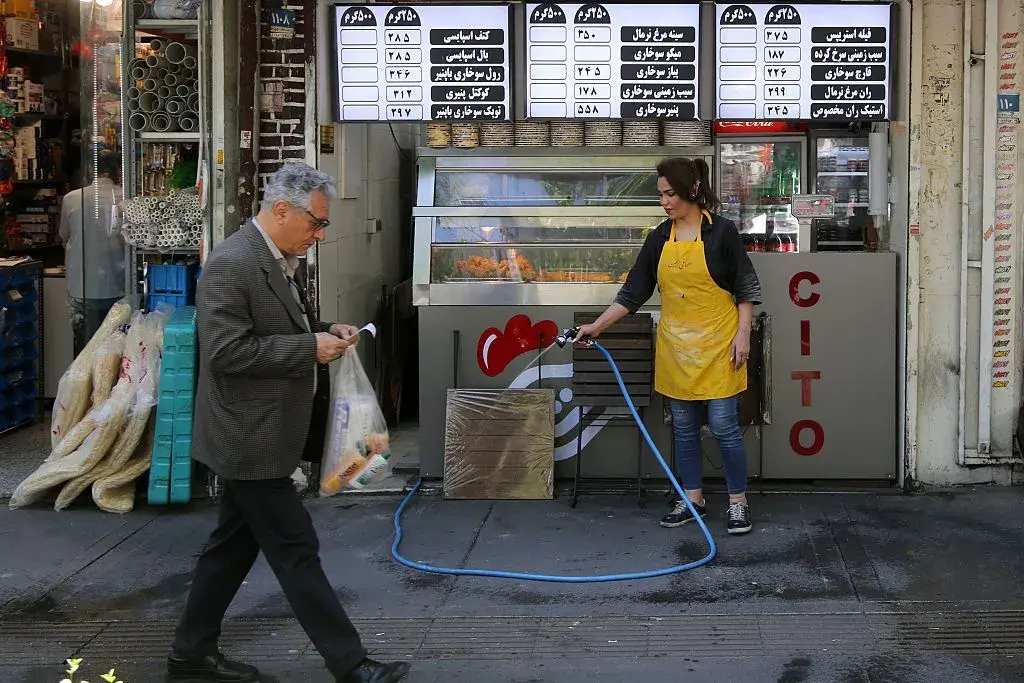
For many in Tehran, daily routines continue despite the challenges. Markets remain open, schools operate, and public spaces stay active. Yet beneath the surface, concerns about financial security and national stability are ever‑present.
Families increasingly prioritize essential spending, often postponing travel, home improvements, or major purchases. Some households hold foreign currency or gold as protection against inflation. Others explore remote work or freelance opportunities to supplement income.
Community networks have become more important during difficult times. Relatives and neighbors often provide mutual support, sharing resources and information to navigate economic uncertainty.
Mental health professionals in Tehran report higher levels of stress and anxiety among residents. Economic strain and fear of conflict can affect overall well‑being, especially for young people planning their careers and futures.
Government Response and Policy Measures
Iranian authorities have introduced various measures to stabilize the economy, including subsidy programs, currency controls, and initiatives to boost local manufacturing. Officials frequently emphasize resilience and self‑sufficiency as national priorities.
However, critics argue that structural reforms and improved diplomatic engagement may be necessary to achieve long‑term economic stability. Some experts believe that easing regional tensions could reduce pressure on financial markets and restore investor confidence.
International observers note that diplomatic negotiations and geopolitical developments will likely play a decisive role in shaping Iran’s economic outlook.
The Broader Regional Context
The situation in Tehran cannot be viewed in isolation. The Middle East remains a complex and volatile region, with multiple overlapping political and security challenges. Developments involving global powers, energy markets, and regional alliances often influence domestic conditions in Iran.
Energy prices and oil exports are particularly important factors. Any shift in regional stability can directly impact revenue and government spending. As a result, Tehran residents closely follow international news, aware that global events can quickly affect local realities.
Conclusion
In Tehran, the economic crisis and fears of renewed war have created an atmosphere of cautious resilience. While daily life continues, rising inflation, sanctions, and regional tensions shape the decisions and outlook of millions.
The future remains uncertain, dependent on both domestic reforms and international diplomacy. For now, families in Iran’s capital navigate a delicate balance—managing financial pressures while hoping that conflict does not return to overshadow their lives.